Lagoon odor and sludge: keep the column aerobic
A lagoon odor is anaerobic biology at scale: the same lack of oxygen that sours a pond, generating hydrogen sulfide and ammonia. Continuous oxygenation keeps the upper column aerobic: less odor, faster breakdown of the waste load, and slower sludge accumulation. It runs without interrupting the operation, and heavily loaded lagoons need a load-matched system size.
What’s actually happening in your water
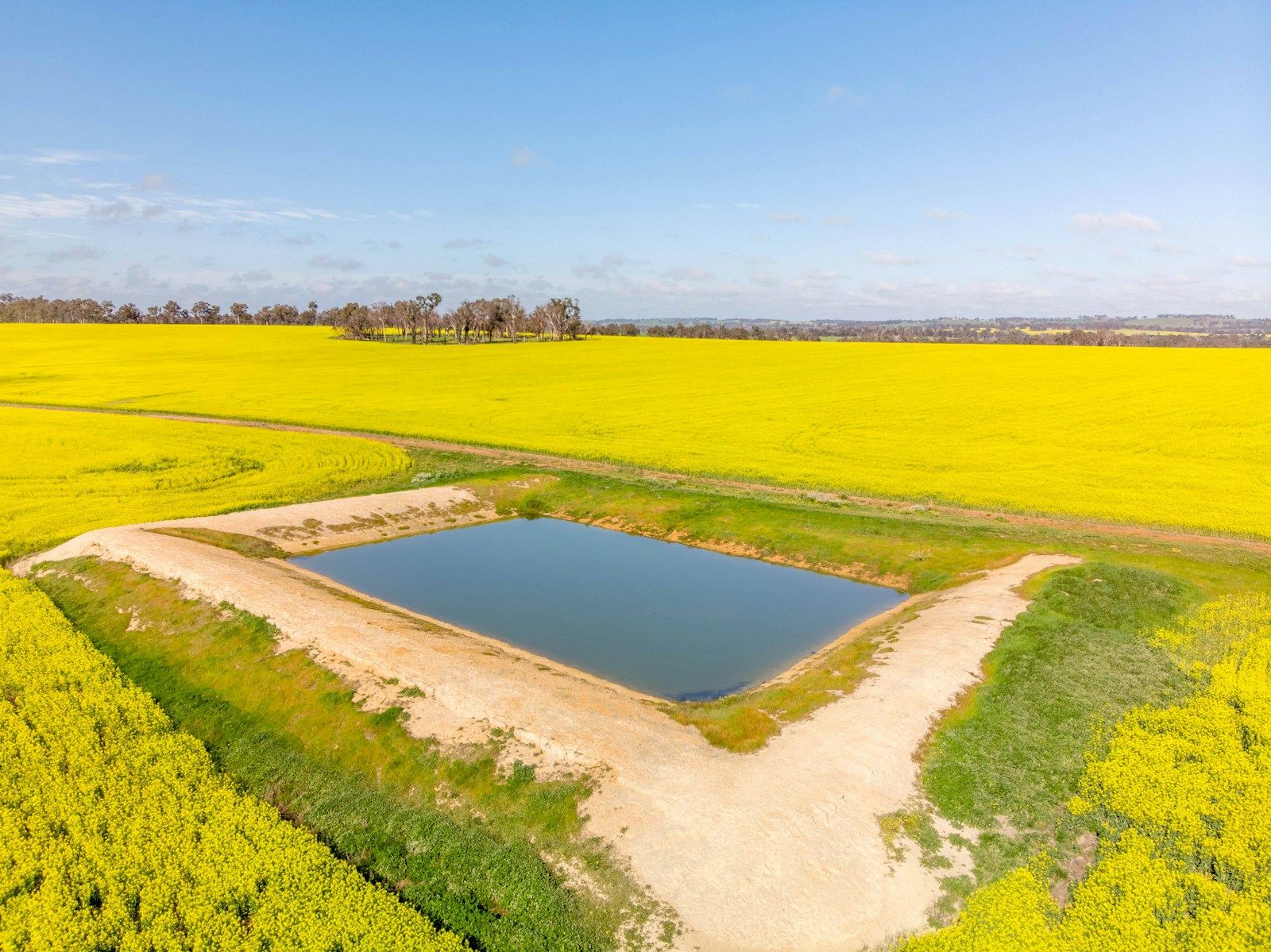
A lagoon does the same thing a soured backyard pond does, only bigger and under a permit. When its biology runs out of oxygen, waste breaks down the anaerobic way. That breakdown gives off hydrogen sulfide and ammonia: the smell your neighbors call about and your inspector asks about.
The same starved condition does two more things. Solids that would digest fast in aerobic water settle out as sludge instead. That sludge eats into capacity and makes pump-out harder, and at the surface it can form a crust. Odor, sludge, and crust look like three problems. All three trace back to the same missing oxygen.
Why the usual fixes don’t hold
Surface aerators are the usual answer. Plenty of operators have one that ran the power bill up without fixing the smell. The reason is transfer efficiency. A large bubble races to the top in seconds and hands most of its oxygen back to the air instead of the water. You pay for oxygen that never dissolves.
Odor-masking agents treat the complaint and leave the cause alone. It’s the same surface logic that fails on a pond, and here the stakes are complaints, inspections, and capacity.
How restoration works here
Continuous nanobubble oxygenation keeps the upper column aerobic. Nanobubbles stay suspended and give their oxygen up in the water rather than the air, so the oxygen you pay for does the work. With the column aerobic, waste breaks down instead of souring. Less hydrogen sulfide leaves the surface, the biological load falls, and sludge builds up more slowly. It runs around the clock, and nothing about the operation stops.
The proof is operational, and operators already track it: odor-complaint counts before and after, hydrogen sulfide readings where you take them, and sludge-depth surveys. All of it runs against a baseline we measure before any commitment. A heavily loaded lagoon needs a system sized to its load. Size it too small and it fails, so we won’t quote that. What we measure and how is published, so the readings you show an inspector are ones we can both stand behind.
What to expect, and when
Weeks 1-2
Oxygen in the upper column rises, and odor generation starts to fall as the surface layer turns aerobic. Operators who track complaint counts usually notice the change here first.
Weeks 3-12
Hydrogen sulfide leaving the surface drops, and the biological load (measured as BOD, the oxygen the waste demands as it breaks down) comes down as aerobic breakdown takes over. Sludge accumulation slows.
Season and beyond
Slower sludge buildup and better conditions at pump-out, all measured against the baseline we take before install. The record is built to be shown to an inspector.
The record
We don't have a published case file for this problem yet. Every Alchemal installation is instrumented from day one, so the first case files are being measured now, and until one is ready, our methodology shows exactly what we record and how we report it.
When this isn't the right fix
- Lagoons are engineered, permitted systems. We integrate with your compliance framework and never replace it. Our readings are built to stand up in front of an inspector.
- A heavily loaded lagoon needs a system sized to its actual load. Under-size it and it fails, and we won't quote one to win on price.
- If the real issue is capacity (a lagoon undersized for the herd or the throughput), oxygenation helps but won't substitute for volume, and the assessment will say so.
Questions people ask
What causes lagoon odor and crusting?
A lagoon goes anaerobic when its biology runs out of oxygen faster than it's replaced, and anaerobic breakdown of waste gives off hydrogen sulfide and ammonia: the odor. The same starved conditions slow the digestion of solids, so they accumulate as sludge and, at the surface, form a crust. Odor, sludge, and crust are three signs of one cause.
Will installing this interrupt our operation?
No. The system installs at the lagoon as it stands and runs continuously. Pumping, loading, and the operating schedule all continue. There's no shutdown to plan around and nothing added to the lagoon except oxygen.
We tried an aerator and blew the power budget. How is this different?
It comes down to how much of the oxygen you pay for actually dissolves. Large bubbles surface in seconds and hand most of their oxygen back to the air; nanobubbles stay suspended and give it up in the water. That difference in transfer efficiency is the whole argument, and the assessment sizes the system to your load rather than guessing.
How does this fit our permits and compliance?
It fits inside them. Your permit and compliance framework govern; we integrate with them and never position as a replacement. The measurements we take are chosen to be the kind an inspector recognizes and accepts, so the system supports your reporting rather than complicating it.
Does it reduce sludge, or just the smell?
Both come from the same shift. Keeping the column aerobic reduces the odor generated at the surface and speeds the breakdown that would otherwise settle out as sludge, so accumulation slows over time. We measure sludge depth in surveys against the baseline, so the sludge claim is a number you can check.
This problem shows up in more than one kind of water. See it among ponds and lakes problems, livestock problems and wastewater problems.
Tell us what your water is doing.
A specialist reads your description and replies in writing: what it usually means and what we would measure first.