Aquatic weeds: what oxygen can and can't do
Rooted aquatic weeds feed mostly on sediment nutrients and light, and oxygenation is not a herbicide. It can shift nutrient dynamics and clarity over time, but it won't clear a heavy weed bed. Many people say weeds and mean filamentous algae, which is a different problem, so the first job is telling the two apart.
What’s actually happening in your water
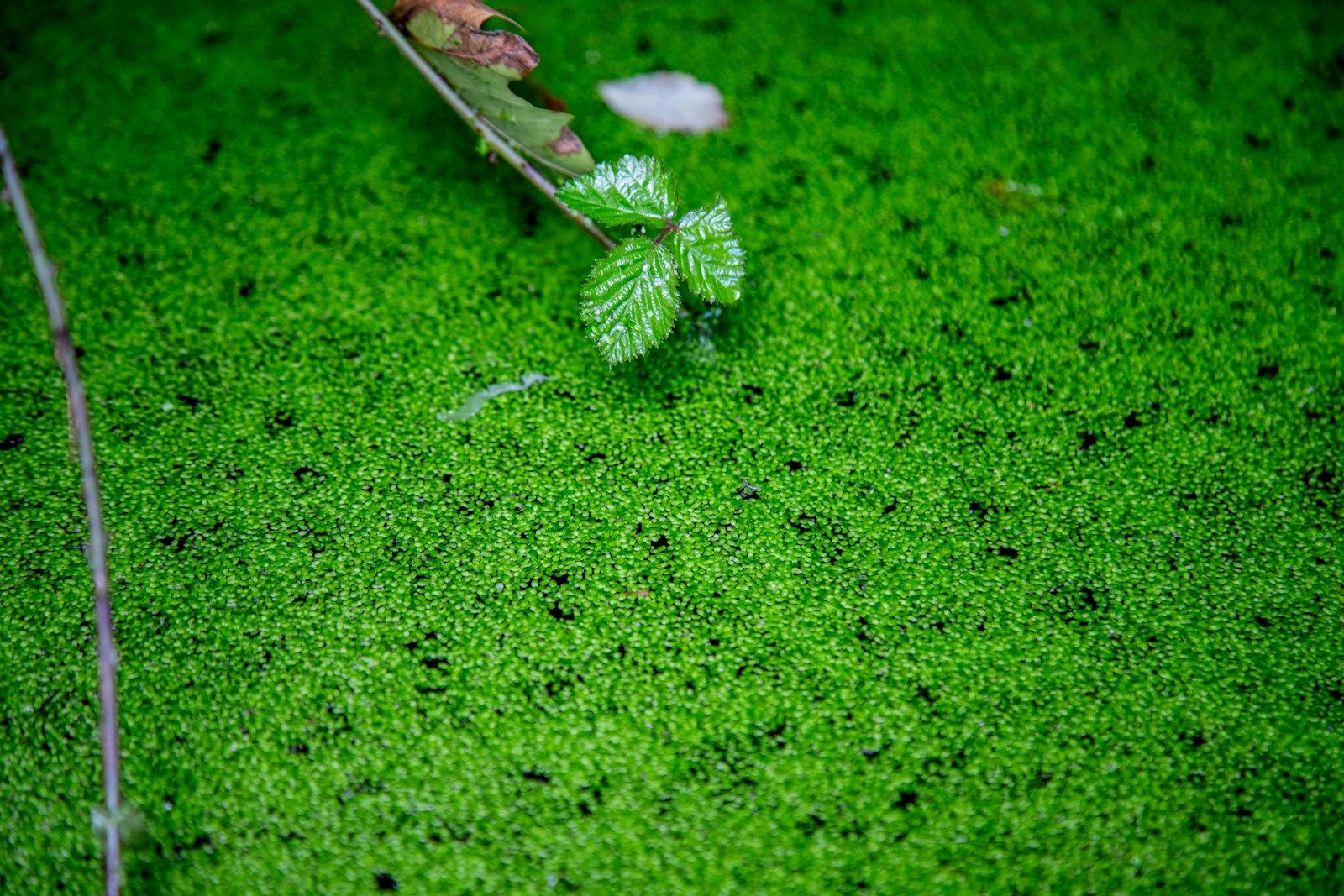
Start with the part that surprises people: rooted aquatic weeds are not an oxygen problem, and oxygenation is not the answer to them.
Rooted weeds (milfoil, hydrilla, pondweed, and their relatives) grow up from the bottom. They feed on nutrients in the sediment and on the sunlight reaching the water. Those two things drive the growth; the oxygen level of the water does not. You can raise oxygen and still have a full weed bed, because you haven’t changed what the weeds actually live on.
There’s a common mix-up worth clearing up here. A lot of people say “weeds” and are actually looking at filamentous algae: the green, hair-like strands that mat at the surface. That is a conditions problem, and it does respond to oxygen. So before anything else, it’s worth knowing which one you have.
Why the usual fixes don’t hold
For genuine rooted weeds, the options that work aren’t ours to sell. Mechanical harvesting removes the plants but not the reason they grow. Herbicide, applied by a licensed applicator, can clear a bed. But it works like the algaecide treadmill described elsewhere on this site: it deals with the plant you can see and leaves the sediment nutrients feeding the next one. Biological control has a place where it fits the water and the law.
Each of these can be the right call, and none of them is oxygenation.
How restoration works here
Where oxygenation earns a place is the long game: the pond’s overall health, including how nutrients cycle and how much light reaches the bottom. Over seasons, holding oxygen through the full water column can shift those background conditions. In a weed plan, that is a supporting role.
If your green problem turns out to be filamentous algae rather than rooted weeds, the pond-algae page is the right one, because there, changing the conditions is exactly the fix. The assessment settles which page you belong on.
What to expect, and when
Weeks 2-4
If what you actually have is filamentous algae mistaken for weeds, oxygen change shows up early and the pond-algae page is your page. For genuine rooted weeds, this isn't the timeline that matters.
Season 1
For rooted weeds, oxygenation is a slow, supporting influence on the pond's nutrient and clarity conditions. It is not a clearance you'll watch happen this season. Direct weed control, if you need it, runs on its own separate track.
Ongoing
Here, oxygenation supports long-term water health alongside whatever weed control the situation needs. We measure the water and leave the weeds to the tools built for them.
The record
We don't have a published case file for this problem yet. Every Alchemal installation is instrumented from day one, so the first case files are being measured now, and until one is ready, our methodology shows exactly what we record and how we report it.
When this isn't the right fix
- If the problem is genuinely rooted weeds (milfoil, hydrilla, pondweed), oxygenation is a supporting measure at best, and the assessment will say so rather than size a system to a job it can't do.
- The legitimate tools for rooted weeds are mechanical harvesting, biological control, and targeted herbicide applied by a licensed applicator. We don't sell those, and oxygen doesn't replace them.
- If what you have is filamentous algae rather than rooted weeds, the pond-algae page is the right one. There, changing the conditions is the fix. That's work we can do.
Questions people ask
What's the difference between pond weeds and algae?
Weeds are rooted plants with stems and leaves that grow up from the bottom. Algae has no true roots. Filamentous algae looks like green hair or slime and floats or mats. People often call both "weeds," but the fix is different for each, so it's worth telling them apart before spending a dollar on either.
Will nanobubbles get rid of my pond weeds?
Not directly. Rooted weeds feed on nutrients in the sediment and on sunlight, and oxygenation is not a herbicide. Over time it can change the nutrient and clarity conditions in ways that don't favor overgrowth, but it won't clear an established weed bed.
How do I control pond weeds without chemicals?
The non-chemical options are mechanical (harvesting or raking the weeds out) and biological, such as introducing grazing species where that's legal and appropriate for your water. Each has trade-offs. A proper diagnosis matches the method to the specific plant, rather than applying one approach to every green thing in the pond.
Can oxygenation help with weeds at all?
Indirectly and slowly. By supporting the pond's overall water health and shifting how nutrients cycle, oxygenation can be part of a long-term picture that makes the water less prone to overgrowth. It's a supporting role. If a salesperson tells you otherwise, be skeptical.
Tell us what your water is doing.
A specialist reads your description and replies in writing: what it usually means and what we would measure first.