Water restoration for HOAs
The pond is the neighborhood's front page, and the board answers for both its look and its line item. Decisions need to hold up in a meeting and in the water.
The problems we see on your water
What Alchemal installs and takes responsibility for
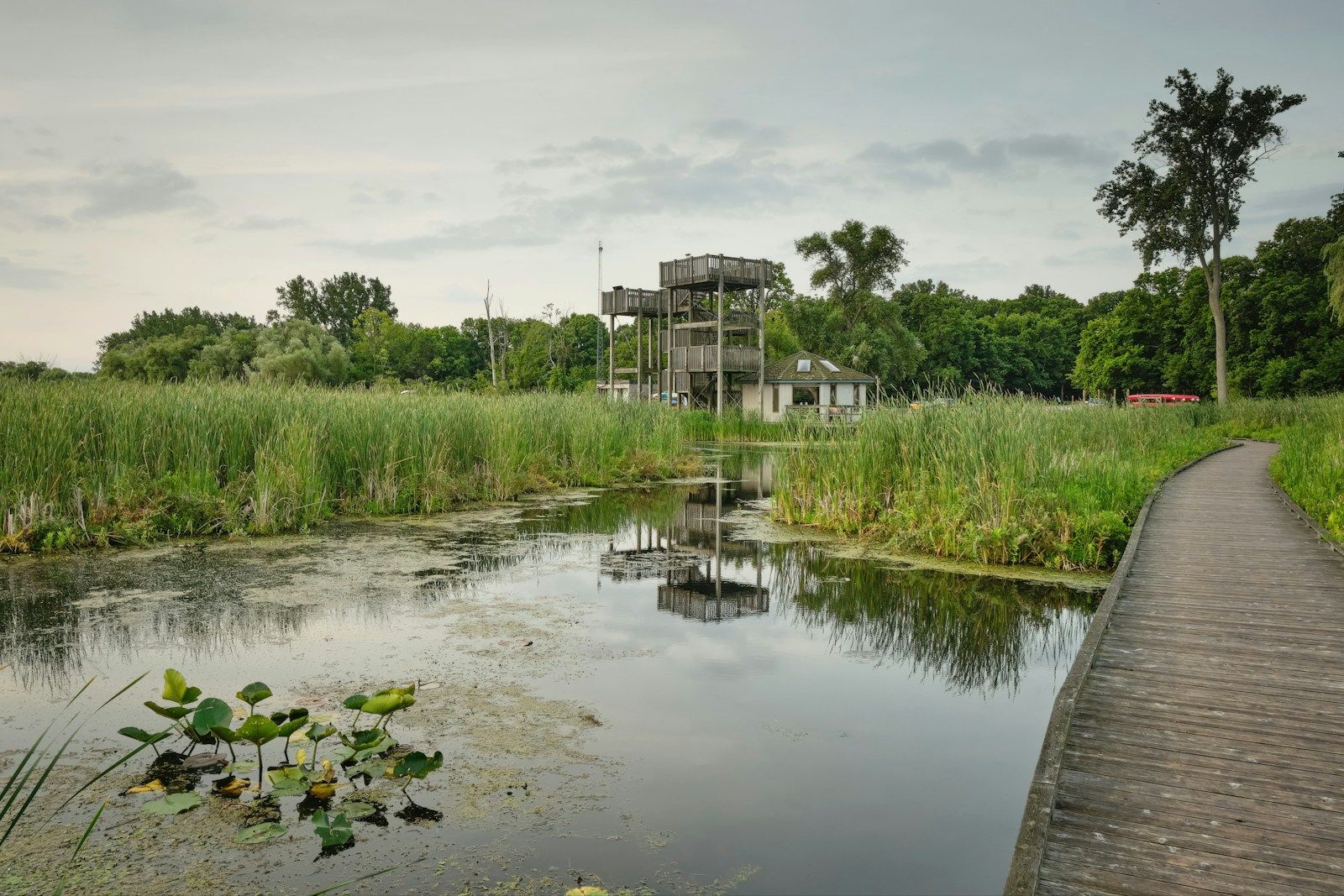
A community pond fails in public. When it turns green, the calls go to the board, and a monthly-treatment plan means those calls keep coming, at compounding cost. Restoration exits the loop: for most community ponds the system is the N2, which holds oxygen through the full water column, with a written assessment the board can put straight into a meeting packet. The conditions stop favoring algae, and the pond’s own biology does the maintaining.
What the board gets is accountability in writing: a measured baseline before any commitment, a plan with its prediction on paper, and Stewardship reporting monthly against it. No chemicals means no postings and nothing to explain at the pool.
Proof from boards
The first installations for this audience are being instrumented now, and their case files publish when the record is worth reading. The methodology is already public: what we record, how we calibrate, and how we report what didn't move.
From your first note to the assessment
- You describe the water. A specialist reads it, replies in writing, and says whether an assessment makes sense.
- Your water goes on the schedule. The first assessments and installations are being scheduled now; requests are answered in the order they arrive.
- The assessment puts a baseline on paper: dissolved oxygen top to bottom, clarity, the condition of the sediment, and a plan with a prediction attached. If oxygenation isn't the right fix, the report says so.
Questions boards ask
How does the board evaluate this against the current vendor?
On the record. The assessment produces a measured baseline and a written plan with a prediction attached: what should move, by when. Compare that against invoices for the current treatment calendar and what the pond looks like in year three under each.
What goes in front of the residents?
The monthly report, as-is. It's written in plain language against the baseline, with the measurements attached. It's the same document we use to hold ourselves to the plan.
Is there a long contract?
Stewardship is transparent about its costs, and success looks like less intervention over time. We can show that, because we measure. Terms come with the written plan after the assessment.
Start with a conversation.
Describe the water and a specialist replies in writing, before any commitment. Your water, your numbers.