Stagnant water and mosquitoes: what actually works
Nanobubbles restore a pond's internal health: the oxygen, and with it the fish and insects that eat mosquito larvae. They don't ripple the surface, and mosquitoes need a still surface to lay. A healthy, stocked pond makes poor breeding habitat. For immediate mosquito control, larvicide and surface agitation are the direct tools.
What’s actually happening in your water
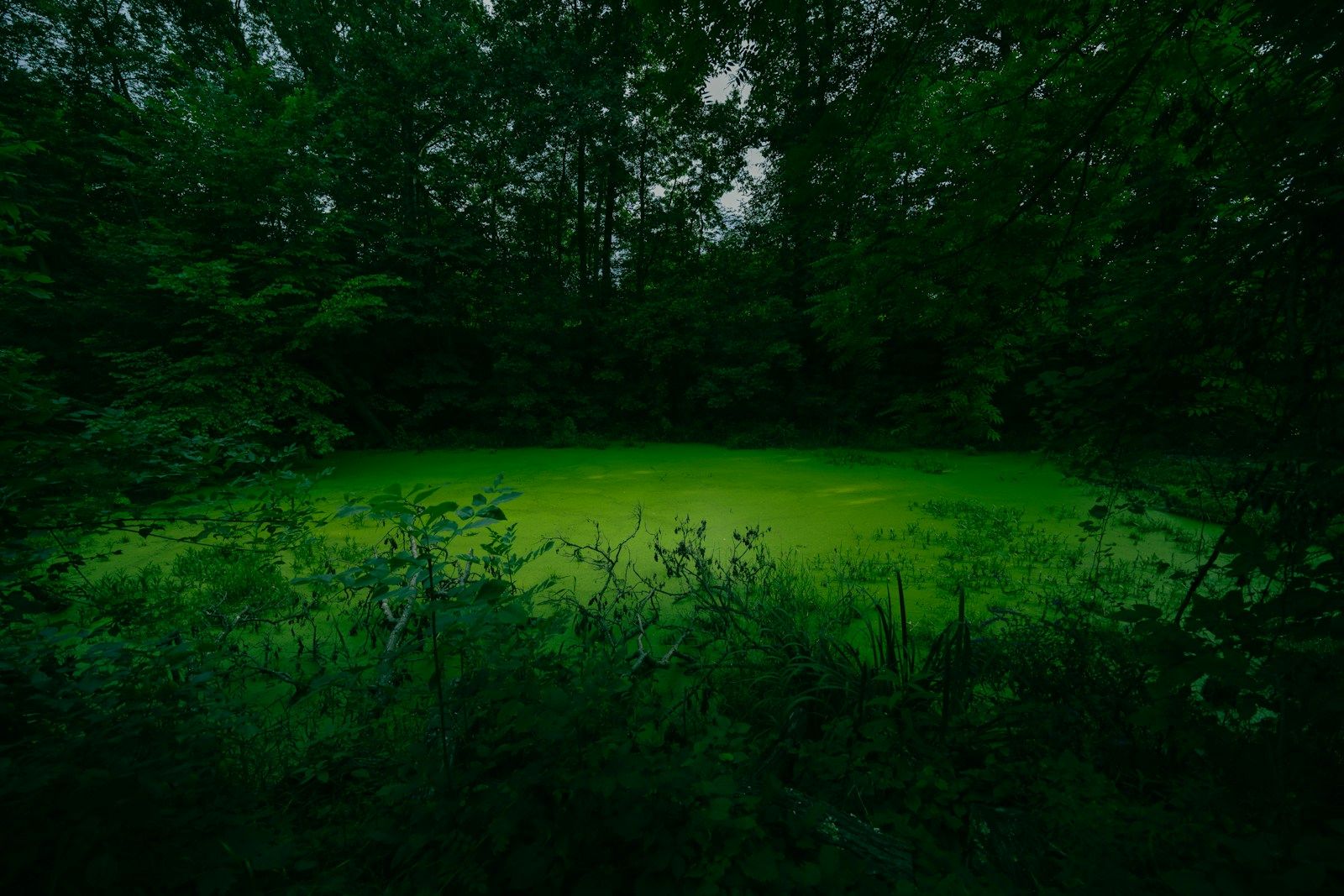
Mosquitoes need two things from your pond: a still surface to lay on, and nothing living there to eat the larvae. A stagnant pond offers both.
When water loses its oxygen, it loses its biology: the fish and invertebrates that would normally eat mosquito larvae as a matter of routine. What’s left is calm, warm, lifeless water. The stillness invites the eggs, and the emptiness lets the larvae survive. A healthy pond, full of things that eat larvae, makes a poor nursery.
That picture also draws the line around what we can and can’t do here.
Why the usual fixes don’t hold
The instinct is to reach for something that clears the surface, and for an active swarm that instinct is right. The direct tools are not ours. Larvicide dunks containing Bti target the larvae directly. Surface agitation takes away the still water they need. Those act now, and if you have mosquitoes this week, those are your tools.
There’s also a common confusion with fountains. A fountain disturbs the surface, which has a real mosquito benefit, but it does very little for the oxygen at depth where the pond’s health is actually decided. We do the opposite job: restore the depth and leave the surface calm. Neither is the whole answer by itself.
How restoration works here
What restoration changes is the reason the pond became a nursery. Holding oxygen through the full water column brings the pond’s biology back: the fish and invertebrates that treat mosquito larvae as food. Over a season, a recovered pond stops being good habitat, because something is eating what used to survive.
This effect is indirect and slow, and we don’t ripple the surface. So the recommendation is often a combination: direct tools for an active swarm now, restoration so the pond stops being a breeding ground, and sometimes a fountain alongside for the surface. If that’s the right mix for your water, the assessment will say so. We measure our part of it either way.
What to expect, and when
Weeks 2-4
Oxygen rises and the pond's internal biology begins to recover, and we measure it. That supports the fish and invertebrates that eat larvae. On its own it does not break the surface.
Season 1
A recovering, well-stocked pond becomes a hard place to breed, because something living there is eating the larvae. That ecological change takes a season.
For a swarm right now
Restoration is not the tool for an active swarm. Larvicide and surface agitation act immediately; restoration changes why the pond was a nursery in the first place.
The record
We don't have a published case file for this problem yet. Every Alchemal installation is instrumented from day one, so the first case files are being measured now, and until one is ready, our methodology shows exactly what we record and how we report it.
When this isn't the right fix
- For a mosquito problem happening right now, the direct tools are larvicide dunks (Bti) and surface agitation. Restoration makes the pond poor habitat over time. It is not an immediate knockdown.
- We don't agitate the surface, and surface stillness is exactly what mosquitoes need to lay. If breaking the surface is the goal, a fountain does that. Sometimes the right answer is a fountain and restoration together, and we'll say so.
- If the standing water is a clogged drain or a low spot that holds rain rather than a pond, the fix is drainage. We'll tell you when that's what we see.
Questions people ask
Why is my stagnant pond breeding mosquitoes?
Because it's still and it's lifeless. Mosquitoes lay on calm surfaces, and their larvae survive when nothing is around to eat them. A pond that's lost its oxygen has also lost the fish and insects that would normally clear those larvae, so the water becomes a nursery. The stillness and the emptiness are the two ingredients.
Will nanobubbles stop mosquitoes?
Over time, indirectly. Restoring oxygen brings back the fish and invertebrates that eat larvae, so a recovered pond stops being good breeding habitat. But nanobubbles work below the surface and don't ripple the top, so they won't clear an active swarm on their own. This is a slow, ecological effect.
Is a fountain better for mosquitoes than nanobubbles?
For the surface, yes. A fountain disturbs the top, and mosquitoes need still water, so it has a real and immediate effect there. What a fountain does poorly is oxygenate the depth, which is where the pond's health is actually decided. The two do opposite jobs, and sometimes the right setup includes both.
What actually gets rid of mosquitoes quickly?
For an active problem, larvicide dunks containing Bti target the larvae directly and are widely available, and surface agitation removes the still water they depend on. Those are the immediate tools. Restoration is the longer play. It works over a season by making the pond poor habitat, and it will not clear this week's batch.
Tell us what your water is doing.
A specialist reads your description and replies in writing: what it usually means and what we would measure first.