Water restoration for agricultural lagoons
Neighbor complaints, inspector visits, a crust that means pumping problems. A lagoon that's gone anaerobic makes itself everyone's business. You have zero patience for marketing, which suits us.
The problems we see on your water
What Alchemal installs and takes responsibility for
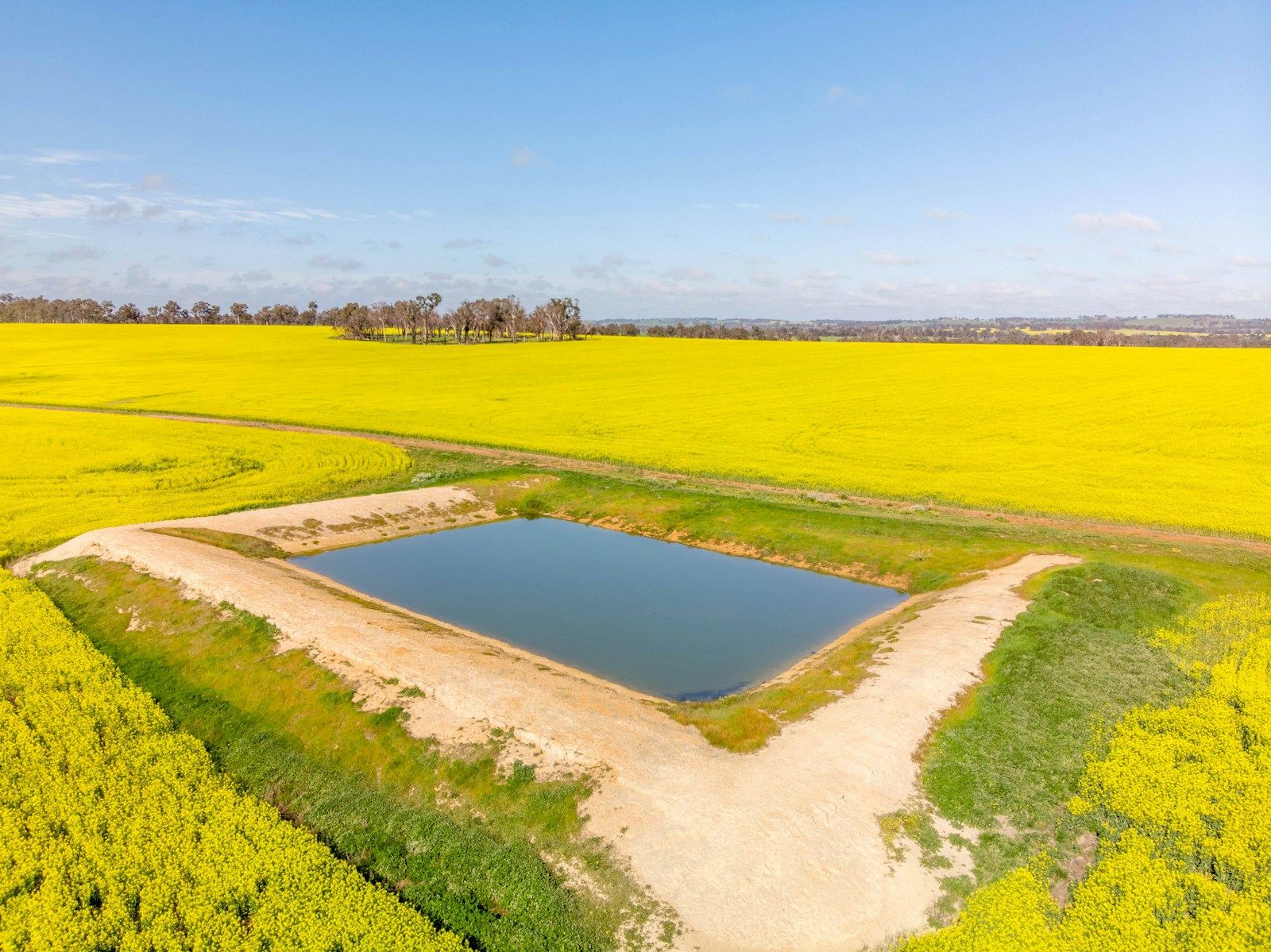
Odor and sludge are what a lagoon does when its biology runs out of oxygen. Nanobubble oxygenation keeps the water column aerobic, so waste breaks down instead of souring: less hydrogen sulfide leaving the surface, slower sludge accumulation, and readings you can show an inspector. It runs continuously; nothing about your operation stops.
The proof is operational: odor-complaint counts before and after, sludge-depth surveys, and the readings themselves, all measured against a baseline taken before any commitment. The lagoon-duty unit is the N4, built for high organic loads with no fine passages to clog, staged output, and a published target price band. Heavily loaded lagoons need a load-matched system size. The site assessment establishes it, and Stewardship carries the record from there.
What the published work shows, and where we need the field
The mechanism that clears a treatment plant is being measured on organic solids too. In laboratory anaerobic digestion, air nanobubbles sped the breakdown of the organic fraction, the same process that decides whether a lagoon digests or rots.
We are looking for farms willing to help evaluate this on a working lagoon, and to publish the record either way. These findings describe nanobubble oxygenation as a mechanism, not an Alchemal unit. Our own installations publish their own record as case files.Proof from operators
The first installations for this audience are being instrumented now, and their case files publish when the record is worth reading. The methodology is already public: what we record, how we calibrate, and how we report what didn't move.
From your first note to the assessment
- You describe the water. A specialist reads it, replies with a plain answer, and says whether an assessment makes sense.
- Your water goes on the schedule. The first assessments and installations are being scheduled now; requests are answered in the order they arrive.
- The assessment puts a baseline on paper: dissolved oxygen top to bottom, clarity, the condition of the sediment, and a plan with a prediction attached. If oxygenation isn't the right fix, the report says so.
Questions operators ask
Does installation interrupt the operation?
No. The system installs at the lagoon as it stands and runs continuously; nothing about pumping, loading, or the operating schedule stops.
How does this fit our permit and compliance framework?
We integrate with it, never replace it. Lagoons are engineered systems with permits; the operator's compliance framework governs, and our measurements are built to stand up in front of an inspector.
We tried an aerator and blew the power budget. How is this different?
Transfer efficiency. Large bubbles surface in seconds and hand most of their oxygen back to the air; nanobubbles stay suspended and give it up in the water. The assessment sizes the system to your load. An under-sized system fails, and we won't quote one.
Start with a conversation.
Describe the water and a specialist replies with a plain answer, before any commitment. Your water, your numbers.